Ashore Counselling and Therapy · 25 November 2026
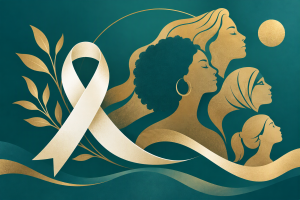
Today is White Ribbon Day, the international day to end violence against women and girls. It also marks the start of the 16 Days of Activism, which run until 10 December.
This issue touches all of us. It affects our friends, our families, our schools and our communities, and increasingly it happens online. Young people are growing up in the middle of it, and they also have a powerful part to play in changing it.
This page brings together ways to get involved, ways to talk to young people, and where to find support. You are welcome to bookmark it and share it.
Small things that make a big difference
You don't need to make a grand gesture. Everyday choices add up.
- Challenge casual put-downs. "Jokes", comments and group chat banter that demean women and girls shape what people see as normal. You don't have to start an argument. Even a simple "not cool" shifts things.
- Check in with a friend. If something seems off in someone's relationship, ask how they are and listen without judging.
- Think about what you share and scroll past. Online content can normalise disrespect. What we like, share and ignore sends a message.
- Believe people who tell you what has happened to them. Being believed is often the first and most important step towards getting help.
- Keep learning. Healthy relationships are built on respect, consent and freedom from control or pressure.
Ways to get involved
- Take the White Ribbon Promise. A commitment to keep learning, speaking up and taking action to prevent violence against women and girls. Find out more at whiteribbon.org.uk/wrd2026.
- Join the 16 Days of Activism. The UN's annual campaign against gender-based violence runs from 25 November to 10 December: unwomen.org/en/get-involved/16-days-of-activism.
- Learn how to step in safely. The Suzy Lamplugh Trust offers free bystander training that equips you with practical skills to intervene when you witness harassment, without putting yourself at risk. [Sign Up Page]
- Join a free webinar on 30 November. Faked Images, Real Abuse: How AI Is Being Used for Sexual Abuse and What Your Community Can Do. [Registration link]
- Host an Orange Table. A meal shared with friends, family or colleagues to spark conversation and raise funds for the global campaign. Details are on the UN Women 16 Days of Activism page above.
Talking to young people
Many young people are exposed to messages about gender, relationships and "what it means to be a man" through social media long before anyone talks to them about it. You don't need to be an expert to start the conversation. You just need to be willing to start it.
- The Same Side Conversation Guide gives parents, carers and trusted adults the words and prompts to talk with boys and young people about what they see online and how it shapes their world. It's from UN Women UK and the Vodafone Foundation: allonthesameside.org.
- Keep it relaxed. Conversations in the car, on a walk or while doing something together often go better than a formal sit-down.
- Ask rather than tell. Questions like "What do you think about what that creator said?" or "Does that match what you see among your friends?" invite thinking rather than defensiveness.
- Stay calm if they share something difficult. If a young person talks about something that has happened to them, or something they've seen, thank them for telling you. Listen, believe them, and don't pressure them for details. Let them know it isn't their fault and that help is available.
If you are supporting someone who has experienced abuse
If someone tells you they're experiencing or have experienced violence or abuse:
- Listen without judgement and take what they say seriously.
- Tell them it isn't their fault.
- Let them make their own decisions, even if it's hard to watch.
- Don't confront the person causing harm. It can put your friend at greater risk.
- Gently share where they can find specialist support (below), and look after yourself too.
Where to find support
If you or someone you know is in immediate danger, call 999.
For children and young people
- Childline (under 19s): 0800 1111 · childline.org.uk
Domestic abuse
- National Domestic Abuse Helpline (run by Refuge): 0808 2000 247, free and open 24/7 · nationaldahelpline.org.uk
- Women's Aid: womensaid.org.uk
- Men's Advice Line (for male victims): 0808 801 0327 · mensadviceline.org.uk
- Galop (LGBT+ people experiencing abuse): 0800 999 5428 · galop.org.uk
Sexual violence
- Rape Crisis England & Wales: rapecrisis.org.uk
- Victim Support: 0808 168 9111, free and open 24/7. You can talk to them whether or not you have reported anything to the police. · victimsupport.org.uk
Stalking and online abuse
- National Stalking Helpline (Suzy Lamplugh Trust): 0808 802 0300 · suzylamplugh.org
- StopNCII.org: helps stop intimate images being shared online without consent, for adults · stopncii.org
If you are worried about your own behaviour
- Respect Phoneline: 0808 802 4040 · respectphoneline.org.uk
A note from us
Talking about violence and abuse can bring up a lot, especially if it's close to home. Please be kind to yourself today, and take a break from the news and your feeds if you need one. If you would like to talk to someone, we're here. [Contact Ashore]
Thank you for reading, sharing and speaking up. 🤍
Helpline details are correct to the best of our knowledge at the time of writing. Please check each organisation's website for current opening times.