Counselling & Psychotherapy in Brighton and Hove, and online across the UK
Cancer Counselling and Therapy
Finding your way through and beyond cancer
A cancer diagnosis can affect every part of life
It can change your identity, relationships, sense of self, security and understanding of the future.
You deserve space to explore all of it.
A cancer diagnosis can bring a huge range of emotions and changes. You may be dealing with the shock of diagnosis, the physical and emotional demands of treatment, changes to your body or identity, or the impact on your relationships and everyday life.
For many people, the challenges continue long after treatment has finished. There can be an expectation that life will return to normal once treatment ends, but you may find yourself feeling anxious, unsettled or unsure of who you are now. Sometimes it is only when things become quieter that you begin to process what has happened.
Whether you are newly diagnosed, undergoing treatment, living with advanced or secondary cancer, or adjusting to life after treatment, counselling can offer somewhere to explore what is happening for you.
My experience supporting people affected by cancer
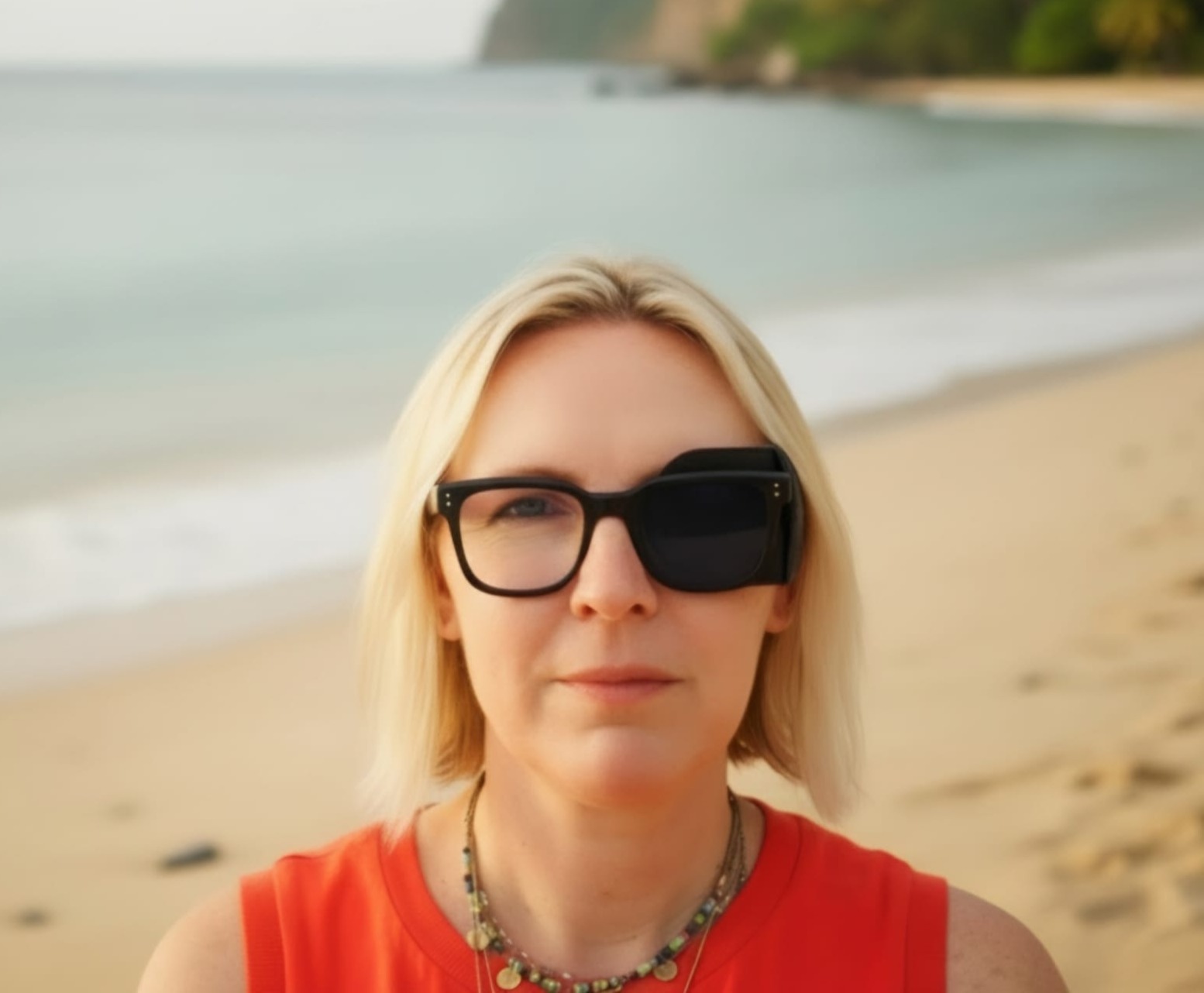
Supporting people affected by cancer matters to me both professionally and personally. Alongside my experience supporting people and families through my previous work with The Brain Tumour Charity and I currently provide emotional support to those impacted by cancer with Brighton Therapy Centre's Hope & Healing project, I also bring my own lived experience of breast cancer and living with a brain tumour.
I understand that the impact of a diagnosis can reach far beyond physical health, affecting how we see ourselves, our relationships, our sense of security and how we imagine the future.
Everyone's experience is different, and I wouldn't presume to know what yours has been like. I offer a space where you can explore your own emotional experiences, without needing to put on a brave face or feel that you should be coping better.
A Space to be heard
Talk openly about your experiences, feelings and concerns to get the emotional support after cancer that you deserve.
Friends and family may feel relieved that treatment is over, but for you, this can be the beginning of a second wave of processing everything that has happened and is still happening.
Making sense of change
Explore the emotional impact of diagnosis and treatment, changes to your body and identity, relationships. Cancer is not just a phsyical illness - it also impacts many aspects of life - financial, relational, physical, psychological, political and emotional.
Finding your way forward
After processing the losses you have experienced as a result of your diagnosis, discover what matters to you now. Explore ways of adapting to the changes while staying connected to yourself and your relationships. Build confidence and find a way forward that feels right for you.
How can counselling help you?
You might want to explore:
- Coming to terms with a diagnosis and the initial shock.
- Adjusting to life after treatment.
- Fear of cancer recurrence and uncertainty about the future.
- Changes to your body, identity and sense of self.
- Making sense of menopausal and hormonal changes following cancer treatment and how these may affect how you feel about yourself, your body and your relationships.
- Navigating fertility and changes to sexual relationships and intimacy following cancer treatment.
- The emotional impact of medical experiences and processing difficult or traumatic experiences of diagnosis, treatment and healthcare.
- Anxiety, low mood, grief and loss.
- Changes to relationships, intimacy and family life.
- Feeling isolated, misunderstood or under pressure to be positive.
- Managing changes to work, finances, independence and everyday life.
- How to support a loved one going through or having completed cancer treatment
Counselling isn't about telling you how you should feel or how to move on. It's about having somewhere to explore your own experience, at your own pace, and finding a way forward that feels right for you.
Finishing treatment doesn't mean you've finished processing your experience of cancer.
I also welcome enquiries from partners and family members who are affected by someone else's cancer diagnosis.
You may also find these blogs and the resources within them helpful
- Living With Cancer or a Brain Tumour: Coping, Grief, and Finding the New You
- When Cancer Treatment End: The Emotional Impact
- Living with a Hidden Disability: Being Seen in an Invisible World
- When "It's all in your head" really isn't - Medical Gaslighting
- Navigating Cancer and Menopause - Why Talking and Therapy Matter
People come to me for help a wide range of issues. Here are a few of the more common difficulties that can be supported through counselling:
Health anxiety
Struggling with identity
Loss of Identity
Major life transitions
Neurodiversity, ADHD, Autism, OCD
Sessions, Fees & Location
Sessions & Fees
Cost: £65
Session Length: 50 minutes
Availability:
I offer long term/open ended and short term sessions.
Please contact me to find out my availability, get a sense of me, and see if working together feels right for you. I’ll be happy to answer any questions.
If you’re struggling with anxiety, grief, or big life changes, I offer a free 15‑minute call to see if working together might help.
Location
I offer counselling in Brighton & Hove with step free access, as well as online across the UK.
Online therapy can be particularly helpful when travelling is difficult because of fatigue, pain, treatment or other health challenges. You can access therapy from a place where you feel comfortable and have the flexibility to fit sessions around your circumstances.
“I had never done therapy before so was a bit scared that I would be judged. Fiona was great at listening to me and helping me to explore my thoughts and process my emotions with no judgement. I'm really grateful for having this space evey week. It has been so valuable."
“I was nervous about starting therapy and didn't know what to expect. Fiona was so supportive and understanding, and really helped me come to terms with my diagnosis and understand who I now was. Friends and family have noticed such a difference in me. I feel more able to deal with challenges thrown at me, and I would highly recommend Fiona as a therapist.”
Some frequently asked questions
In our first session, we’ll explore what’s brought you to therapy and what you’d like to get from it. You don’t need to have all the answers—therapy is about discovering them together. We’ll agree on how our sessions will work so you know what to expect, and we can check in regularly to make sure it’s feeling helpful. I usually schedule a review every six weeks, giving us a chance to reflect on your progress and adjust things if needed, so you always feel supported and understood. Click here to find out more
Counselling can be really helpful when you’re facing a specific issue or challenge and want to work through it in a focused, short-term way. Over a number of sessions, we explore what’s happening, gain clarity, and often find practical ways forward.
Therapy usually takes a deeper, more exploratory approach. It’s about understanding patterns, underlying life issues, or long-standing difficulties that affect your wellbeing. This can take longer and the number of sessions is often more flexible, depending on your needs.
That really depends on you—your needs, your goals, and what feels helpful. Some people find short-term counselling is enough, while others benefit from longer-term therapy. We’ll talk about this in our first session and check in regularly as we go along. You’re always free to pause or stop therapy whenever it feels like the right time for you.
Everything you share in our sessions is private. That’s one of the main things that makes therapy different from talking to a friend or family member. Over time, as you get used to the weekly sessions and the safe space they offer, you’ll often find that being able to speak openly and in confidence is incredibly freeing.
I follow the ethical guidelines of the British Association for Counselling and Psychotherapy (BACP), which means I am committed to confidentiality, professionalism, and working in your best interests. There are a few rare situations where I might need to break confidentiality—usually if there’s a risk of serious harm to you or someone else. Even then, I would aim to discuss this with you first. These situations are very uncommon, and for most people, what you share stays between us.
Yes, I do. Online sessions are fully secure and offer the same safe, supportive space as meeting in person. I also offer sessions by phone if that feels easier for you. My aim is to create a comfortable, welcoming environment wherever we meet—so whether it’s from home, by phone, or at the practice, you should feel able to relax and be yourself.
It’s completely normal to feel unsure and starting therapy is a big step. We can take things at a pace that feels right for you, exploring what you need without any pressure. Starting therapy doesn’t commit you to a long-term process—you’re just seeing if this space feels supportive, safe, and useful for you. For an informal chat to discuss this further please feel free to get in touch
I usually aim to offer an initial session within 1–2 weeks. After that, we’ll agree a regular weekly time that works for you and fits with my availability. How quickly your ongoing sessions can begin will depend on whether I have a regular slot free at that time. If your preferred time isn’t immediately available, I can add you to my waiting list and let you know as soon as a space opens up.
My fee is £65 per session, and payment is made in advance via BACS. I ask for a week’s notice if you need to change or cancel an appointment, but I realise life can sometimes get in the way, so try to be as flexible as possible. If appointments are cancelled without sufficient notice, the session will be charged in full.
Urgent Support
If you are in immediate danger, call 999.
If you need urgent mental health support, use the services below (please note some are local to Brighton and Hove, or Sussex)
NHS 111 (24/7)
Call 111 and select the mental health option for round-the-clock crisis support.
Samaritans (24/7) 116 123
For anyone in distress, suicidal, or needing emotional support.
samaritans.org
Shout Text Support (24/7)
Text SUSSEX or SHOUT to 85258 for free
confidential support from trained volunteers.
Staying Well Service (Brighton)
Out-of-hours mental health crisis support for adults (18+).
- Weekdays: 5pm–10:30pm
- Weekends: 3pm–10:30pm
The Wellbeing Hub, 18 Preston Park Avenue, BN1 6HL
- 0800 023 6475
- stayingwell.brighton@southdown.org
- southdown.org/services/staying-well/
A&E – Royal Sussex County Hospital
For psychiatric or medical emergencies.
Eastern Road, Brighton, BN2 5BE
Other Helplines
- SANEline: 0300 304 7000 (4pm–10pm)
- Papyrus HOPELINEUK (under 35s): 0800 068 4141
Counselling Enquiries
I usually reply within 24 hours to any enquiries.